
If you’re immersed in the fitness world, the term “pre-workout” is likely not foreign to you. These supplements, crafted to elevate energy, focus, and endurance during exercise, have become a staple for individuals striving to maximize their workout performance. Yet, amidst the excitement of boosting your gym session, a crucial question arises: Can pre-workout go bad, and what unfolds when it does?
Does Pre-Workout Expire?
In plain terms, yes, pre-workouts do expire, akin to any other consumable product. However, it’s crucial to understand that the expiration of pre-workout supplements doesn’t align with the spoilage of perishable items like fresh produce or dairy. Pre-workouts boast a shelf life, precisely indicated by the expiration date on the packaging.
While the expiration date provides guidance, unlike foods that may become unsafe after the specified date, the primary concern with expired pre-workout is a potential decrease in potency and efficacy rather than safety issues.
Is Expired Pre-Workout Still Effective?
Most pre-workout ingredients remain stable and don’t readily decompose into harmful byproducts when stored properly. Consuming expired pre-workout, as long as it shows no signs of molding and doesn’t emit a strong odor, is generally considered safe.
Sealed tubs of pre-workout that have been expired for several months are likely still effective. The “best by” date tends to be lenient due to safety precautions. However, caution is advised with opened pre-workout that is more than a year past its expiration date. In such cases, it’s recommended to opt for a fresh supplement for both safety and efficacy.
Is Clumpy Pre-Workout Bad (Expired)?
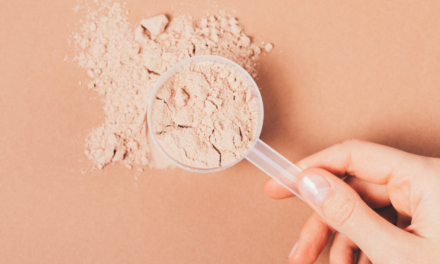
A common hurdle users face with pre-workout powder is clumping. The presence of hygroscopic (moisture-attracting) ingredients, humidity, and improper storage are the primary culprits behind clumpy pre-workout. Importantly, clumping doesn’t necessarily signal the expiration or loss of potency in your pre-workout.
The Role of Hygroscopic Ingredients in Clumping
Hygroscopic compounds, like glycerol monostearate, have an affinity for absorbing moisture from the environment. When exposed to humidity or moisture, these ingredients attract water molecules, resulting in clumps of powder. While clumpy pre-workout powder retains its potency, dosing becomes more intricate due to changes in volume and mass.
Humidity and Improper Storage
Humidity significantly contributes to the clumping of pre-workout powder. Exposure to a humid environment, like leaving the container in the bathroom or near the kitchen stove, fosters moisture absorption and clumping. Proper storage, including tightly sealing the lid after each use, is imperative to prevent moisture infiltration.
Ingredient Interactions
Clumping may also arise from interactions among different ingredients in the pre-workout formula. Combinations of ingredients may agglomerate over time, creating clumps. Additionally, variations in particle sizes and density differences among ingredients can contribute to clumping if the powder isn’t adequately mixed.
How to Prevent Pre-Workout Powder Clumping
To circumvent the vexation of clumpy pre-workout powder, adhere to these pragmatic steps:
1. Choose High-Quality Products
Opt for pre-workout supplements from reputable brands renowned for quality sourcing and manufacturing processes.
2. Store in a Dry Place
Maintain your pre-workout container in a cool, dry location, shielding it from moisture sources. A pantry or cupboard is optimal to avert exposure to humidity.
3. Seal the Lid Tightly
After each use, guarantee the lid is tightly sealed to curtail air and moisture ingress. Consider deploying desiccant packs in the container for augmented moisture protection.
4. Mix Thoroughly Using a Blender Bottle
Employ a blender bottle when amalgamating your pre-workout powder, especially if it’s clumpy. Break up clumps with a utensil before mixing in water.
How Does Pre-Workout Go Bad: Factors Affecting Shelf Life
Several factors come into play when determining the shelf life of pre-workout supplements. These include packaging, storage conditions, and ingredient quality.
Packaging
The packaging serves as the first line of defence against environmental conditions that could compromise the product. Ensuring air-tight, moisture-resistant packaging is crucial in maintaining the integrity of pre-workout supplements.
Storage Conditions
Proper storage is paramount for preserving the potency of any supplement. Exposure to heat, light, and moisture can accelerate ingredient decomposition, potentially shortening the shelf life of pre-workout supplements.
Ingredient Quality
The quality of ingredients plays a pivotal role in the stability and longevity of pre-workout supplements. High-quality ingredients tend to be more stable, retaining their potency for more extended periods. Reputable brands often employ superior sourcing and manufacturing processes, minimizing the risk of premature expiration.
How to Store Pre-Workout Supplements for Optimal Shelf Life
To maximize the shelf life of your pre-workout supplements and prevent them from going bad, it’s crucial to adhere to proper storage practices. Consider the following tips:
– Store in a Cool, Dry Place: Keep the pre-workout container away from direct sunlight in a cool, dry location. Avoid areas prone to high heat and humidity.
– Seal the Lid Tightly: After each use, ensure the lid is tightly sealed to prevent exposure to air and moisture.
– Avoid Excessive Heat: Refrain from storing pre-workout near heat sources, such as stoves, radiators, hot cars, or inside gym bags. Elevated temperatures can contribute to ingredient decomposition.
Common Ingredients Found in Pre-Workout Supplements
Pre-workout supplements come in diverse formulations, with various brands incorporating blends of different ingredients. The most prevalent components in multi-ingredient pre-workout supplements (MIPS) include caffeine, creatine, beta-alanine, citrulline, taurine, and tyrosine. Additionally, BCAAs, arginine, B vitamins, and other stimulants are commonly found in these supplements.
Each ingredient serves a distinct function, and when combined, they may provide exercise-enhancing benefits. Below are some common pre-workout ingredients and how they might boost your training:
– Caffeine and Other Stimulants : These can offer an energy boost, increase focus, and potentially delay fatigue during your workout.
– Citrulline and Arginine: Nitric oxide boosters that enhance blood flow, delivering oxygen and nutrients to your muscles as you train.
– Creatine: Increases ATP to replenish energy during high-intensity training, aiding in better muscular contractions. It may also play a role in muscle protein synthesis.
– Beta-Alanine: An amino acid that may help decrease lactic acid build-up, delaying fatigue during exercise.
– BCAAs (Branched-Chain Amino Acids): Essential amino acids crucial for muscle protein synthesis, aiding in muscle recovery when paired with resistance training and sufficient calorie and protein intake.
– Taurine: An amino acid that functions as an antioxidant, reducing oxidative stress and potentially increasing endurance.
– Tyrosine: Releases adrenaline and dopamine, potentially aiding focus during high-stress moments, though more research is needed to establish its effectiveness.
How Long Do You Have to Use Pre-Workout That’s Already Mixed?
Once mixed, a pre-workout is generally acceptable for consumption within 12 hours, provided it isn’t exposed to severe temperature changes. For optimal results, aim to take your pre-workout supplement at least 30 minutes before heading to the gym, even if you’ve mixed it a few hours beforehand. This becomes especially crucial when seeking enhanced pumps during your workout session.
Protein breakdown may occur if a mixed pre-workout is left for too long, leading to reduced energy levels, compromised exercise performance, and other negative consequences. Individuals often encounter challenges in this regard, particularly when preparing a pre-workout drink in the morning but intending to consume it later in the day without the desired thickness.
In conclusion, while pre-workout supplements don’t necessarily become harmful after their expiration date, their efficacy may diminish over time. By following proper storage practices and selecting high-quality products, you can ensure that your pre-workout powders retain their potency for an extended period. So, go ahead, break a sweat, and make the most of your workout with confidence in your pre-workout supplement.